
Trending
This story is from January 10, 2018
Sparks over PMRDA’s ban
Pune Metropolitan Region Development Authority says no permission for rooftop restaurants in its jurisdiction. Industry not happy

Pune Metropolitan Region Development Authority says no permission for rooftop restaurants in its jurisdiction. Industry not happy

With the fire department’s ongoing audit across city establishments, restaurateurs are waking up to surprise checks on a daily basis – something they expected, after the December 29 tragedy. But neither restaurateurs nor diners were prepared for the news of the Pune Metropolitan Region Development Authority (PMRDA)
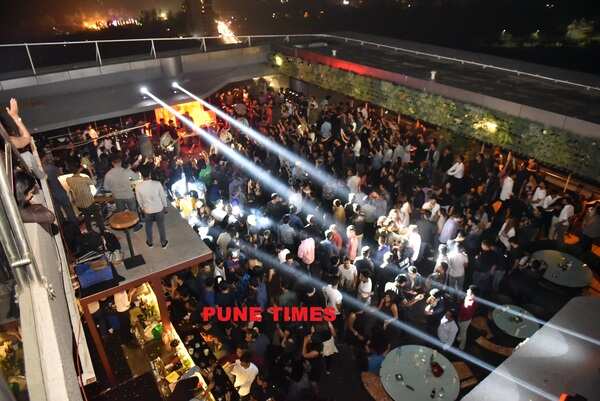
banning rooftop restaurants in its jurisdiction. On January 7, PMRDA commissioner Kiran Gitte was quoted in the TOI saying, “In the PMR region, we have not given any permission for rooftop restaurants, and we will not be entertaining any requests for the same... the building permission department has been instructed to not issue permission for rooftop restaurants.” Given the popularity and appeal that rooftop establishments enjoy among customers, and with rapidly developing areas like Hinjewadi and Wagholi falling under the PMRDA’s umbrella, one must ask whether banning them is a real solution or just another easy way out.
Hear it from a fireman
According to fireman Navnath Waikar, from the Pune Fire Brigade, there are various factors that come into play when fighting a fire and rescuing people. He stresses on the risk of suffocation and need to head to the nearest rescue point, “People should head to the nearest exit via the fire exit stairs. If the fire is near a staircase, then they should go to the nearest balcony area or window to be rescued.” And on the subject of rooftops, he has this to say, “Dousing a fire depends on the situation where the fire is. If the fire is on a rooftop and the building has enough space on the sides for fire brigade vehicles, it can be doused quicker.”
An architect’s point of view
Rooftop restaurants are flourishing the world over. Bajarang
Sutar, Principal of Bharati Vidyapeeth College of Architecture, points out that abroad, the builders decide whether they want to have a rooftop restaurant at the building stage. Whereas here, in many cases, it’s only after construction people decide whether they want to have a rooftop restaurant or not. “That’s why they fall behind in facilities and security aspects. Also the approach road towards the building should be at least nine meters wide, so the fire brigade vehicle can approach easily in case of emergency,” says Sutar.
He also adds, “In closed restaurants with artificial ventilation – like air conditioners – there can be many issues in case of fire, such as suffocation. This is not the case in rooftop restaurants. The only problem is if they don’t have proper fire escape system.”
Will they ban ground floor restaurants if a fire breaks out there next?
Instead, the government should become strict and ensure that people don’t cut corners. Some restaurants have received notices from PMC as well and there is a possibility that the PMC may also follow suit. That will be a huge blow as the F&B industry is the only one that’s not slow now. — Goldie Narang, restaurateur
The restaurants in Mumbai had flouted rules.
Pune has approximately 8,500 restaurants. People here have taken all the permissions and are doing their business properly. Rooftop restaurants are popular all over the world. Denying permission for rooftop restaurants is only going to result in losses. — Ganesh Shetty, president of Pune Hoteliers Association
Can the PMRDA guarantee zero fires in non rooftop restaurants?
Can they give the public that assurance? If they go ahead with a ban, the revenue loss will be huge. And if they shut existing rooftop restaurants overnight, where will all the employees go for jobs? — Gurmeet Kaur Maan, CEO of a restaurant chain
End of Article
FOLLOW US ON SOCIAL MEDIA










Photostories

Hot Picks
TOP TRENDING
Popular Categories
Hot on the Web
Top Trends
IND vs BAN Live ScoreRussell WilsonsBaba Siddique DeathMickey ArthurWho was Baba SiddiqueVirat KohliUGC NET ResultMahadev Betting AppAmazon LayoffsRatan Tata DiesCBSE Class 10 12 Practical ExamPopular Schools in Navi MumbaiManagement Colleges of IndiaTop Medical Colleges of IndiaTop Engineering Colleges of IndiaTop Pharmacy Colleges of IndiaLive Cricket Score
Trending Topics
Diwali WishesDussehra 2024 QuotesDussehra WishesVettaiyan OTT ReleaseVettaiyan CollectionVettaiyan ReviewNatasa StankovicDevara CollectionBigg Boss 18Deepika PadukoneShraddha KapoorRatan Tata Passed AwayJigra Movie ReviewVettaiyan Movie ReviewSwatantrya Veer SavarkarDussehra 2024Elon MuskDussehra Whatsapp StatusUltimate Football Codes October 2024Wordle Answer
Living and entertainment
Latest News
Challenging Aspects in Astrology: What They Mean for YouNew Zealand pile pressure on India after routing Sri Lanka'Promotion of players by agents...': Mickey Arthur criticizes PCB, media for team's declining performancesInfosys to no longer send job offer letters and attachments, the company will ...Sena vs Sena: Dusshera rallies in Mumbai turn political as Shinde, Uddhav take aim at each otherUS carries out airstrikes in Syria to avert Isis attack on American soilExclusive: Aishwarya Khare recalls his childhood memories of Dussehra, says 'my father used to take us all to watch Ram Leela and Ravan Dahan'Can a dash of cinnamon in your coffee speed up belly fat loss?Punjab NEET UG Counselling 2024: Round 3 provisional merit list out, steps to checkManasi Parekh celebrates National Award win with husband Parthiv Gohil: “What a year it’s been!”TapSwap Daily Codes for October 13, 2024: Earn coins and cryptocurrency by completing tasks'Singham Again' stars Ajay Devgn, Kareena Kapoor, Rohit Shetty spotted at airport as they jet off for Raavan Dahan in Delhi - Watch VIDEOPapankusha Ekadashi 2024: Date, Parana Time, Puja Rituals and Significance'HanuMan' director Prasanth Varma reveals 'difference of opinion' with Ranveer Singh, hints at future collaborationETimes Pic of the day: When Indrajith Sukumaran bumped into Mukesh Ambani at a traffic signalSwearing-in ceremony of Nayab Singh government in Haryana on October 17: Manohar Lal KhattarTDB will go ahead with online darshan bookings at Sabarimala templeHurricane Milton triggers EF-3 Tornado in Florida's Palm Beach County, leaving seven injured
Copyright © 2024 Bennett, Coleman & Co. Ltd. All rights reserved. For reprint rights: Times Syndication Service